
Madeira is called the “Island of Eternal Spring” for good reason: mild weather year-round, dramatic volcanic landscapes, rich history, and welcoming local culture make it one of Europe’s most unique destinations. Whether you’re visiting for the first time or planning your return, this guide covers everything you need to know about Madeira’s climate, seasons, traditions, and what makes the island so special.
Madeira enjoys a subtropical, Mediterranean climate with mild temperatures year-round. The island rarely gets too hot or too cold, making it perfect for outdoor adventures in any season.
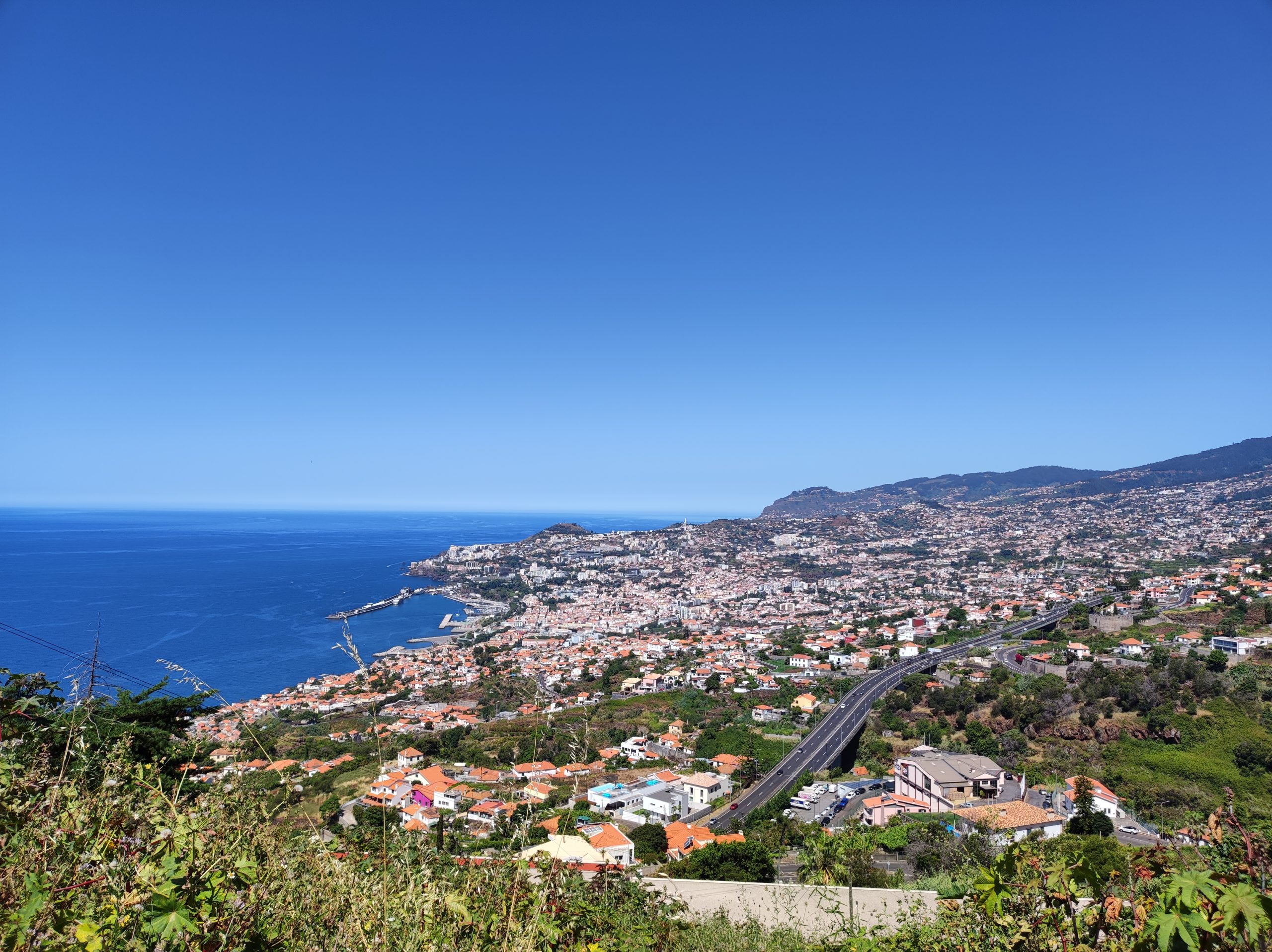
Important note: Madeira has many microclimates due to its mountainous terrain. The south coast (Funchal, Ponta do Sol, Calheta) is warmer and sunnier, while the north and high-altitude areas are cooler, greener, and wetter.
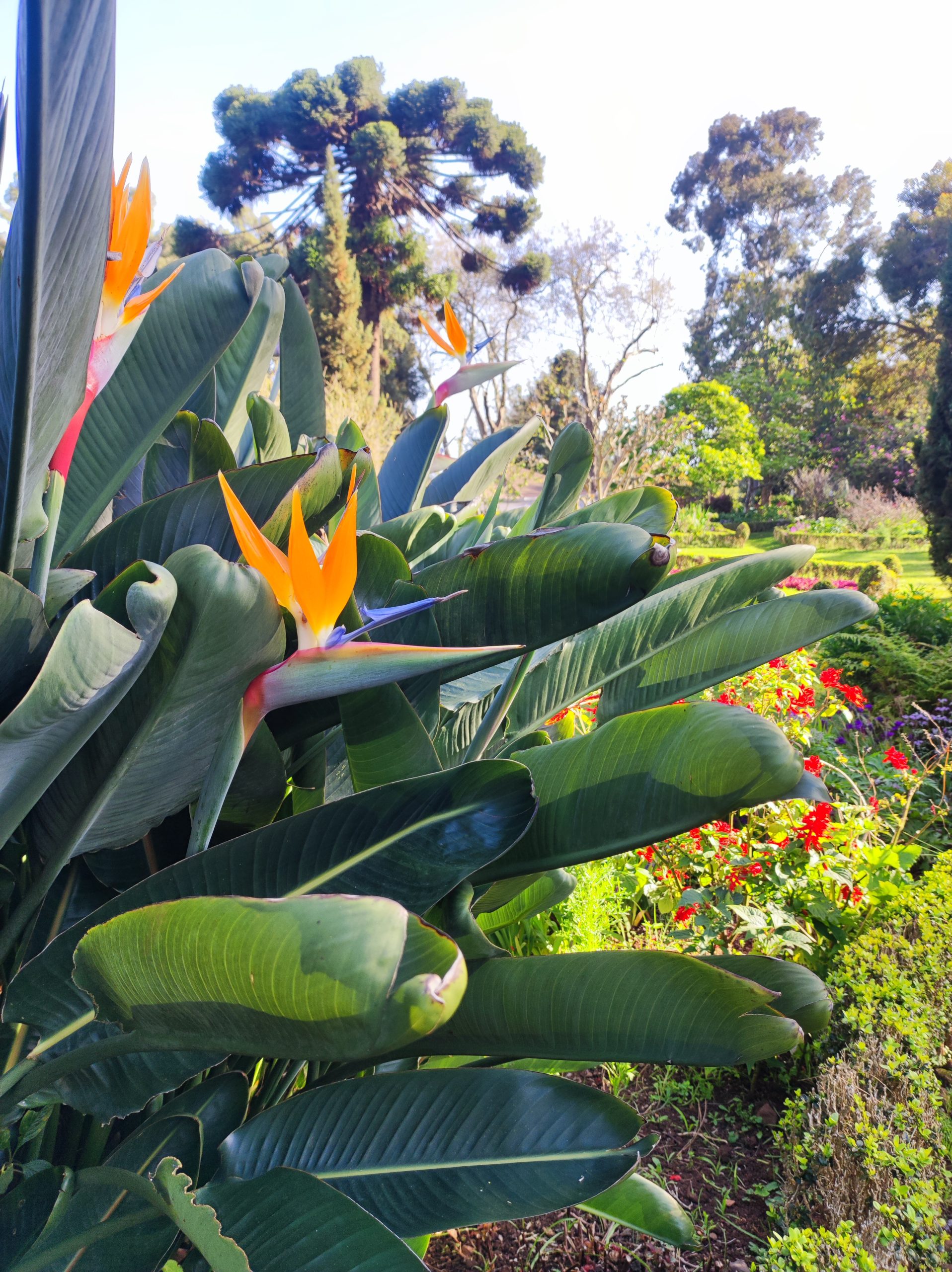
Temperatures: 17–22°C (63–72°F) Rainfall: Moderate, decreasing through the season Conditions: Comfortable for hiking and outdoor activities
The island bursts into bloom with vibrant flowers everywhere
Famous Flower Festival (Festa da Flor) in late April/early May fills Funchal with parades, flower carpets, and music
Fewer crowds than summer, pleasant hiking conditions
Waterfalls are full from winter rains
What to pack: Layers (mornings can be cool), light rain jacket, comfortable hiking shoes.
Temperatures: 21–26°C (70–79°F) Rainfall: Very low, driest season Conditions: Warm, sunny, long days
Peak season with the best weather for beach and sea activities
Perfect for levada walks, swimming, boat trips, diving
Atlantic Festival in June: weekly fireworks and concerts in Funchal
Warm ocean temperatures ideal for swimming and water sports
Important: This is high season, so expect more tourists and higher accommodation prices. Book ahead.
What to pack: Sun protection (SPF 50+, the Madeiran sun is not a joke), hat, light breathable clothing, swimwear.
Temperatures: 20–25°C (68–77°F) through October Rainfall: Increases in November Conditions: Still warm with occasional showers
September and October are ideal for avoiding crowds while still enjoying warm weather
Ocean remains pleasant for swimming through October
Madeira Wine Festival in late August/September celebrates the grape harvest with traditional music, wine tastings, and folklore
Waterfalls come back to life as rain increases
Golden light and dramatic skies perfect for photography
What to pack: Light layers, waterproof jacket for November, sunscreen still essential.
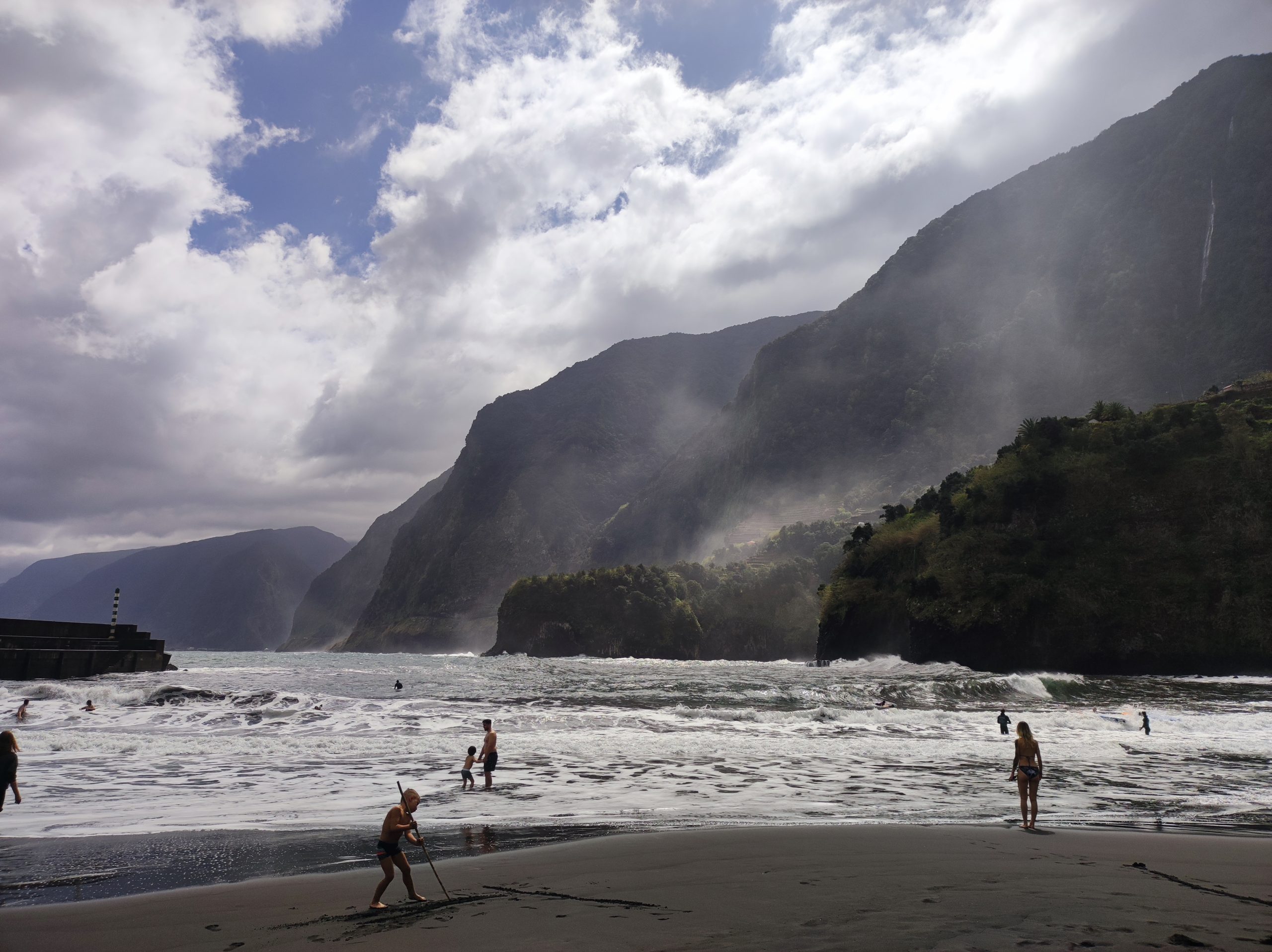
Temperatures: 16–20°C (61–68°F) Rainfall: Highest of the year, especially in mountain areas Conditions: Mild compared to mainland Europe, but wetter and cloudier
Escape harsh European winters – still mild enough for outdoor activities
Lowest tourist numbers and best accommodation prices
Christmas and New Year celebrations are spectacular in Madeira, especially Funchal’s famous New Year’s Eve fireworks (one of the largest displays in the world)
Traditional Noite do Mercado (Market Night) on December 23 at Funchal’s Farmers’ Market with local food, music, and festive atmosphere
Green, lush landscapes with dramatic waterfalls
Whale watching season begins
What to pack: Warmer layers, waterproof jacket, closed-toe walking shoes.
*Overall best time: April to October for optimal weather and outdoor activities.
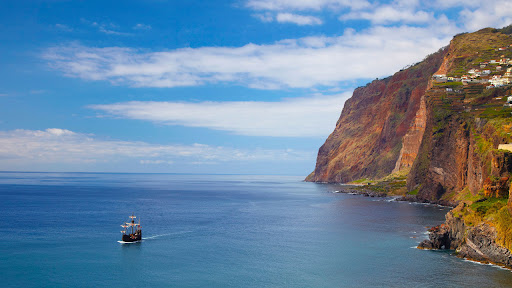
Madeira was discovered by Portuguese explorers João Gonçalves Zarco and Tristão Vaz Teixeira in 1418–1419, sailing under orders from Prince Henry the Navigator. They first landed on Porto Santo during a storm, then sighted the main island of Madeira the following year.
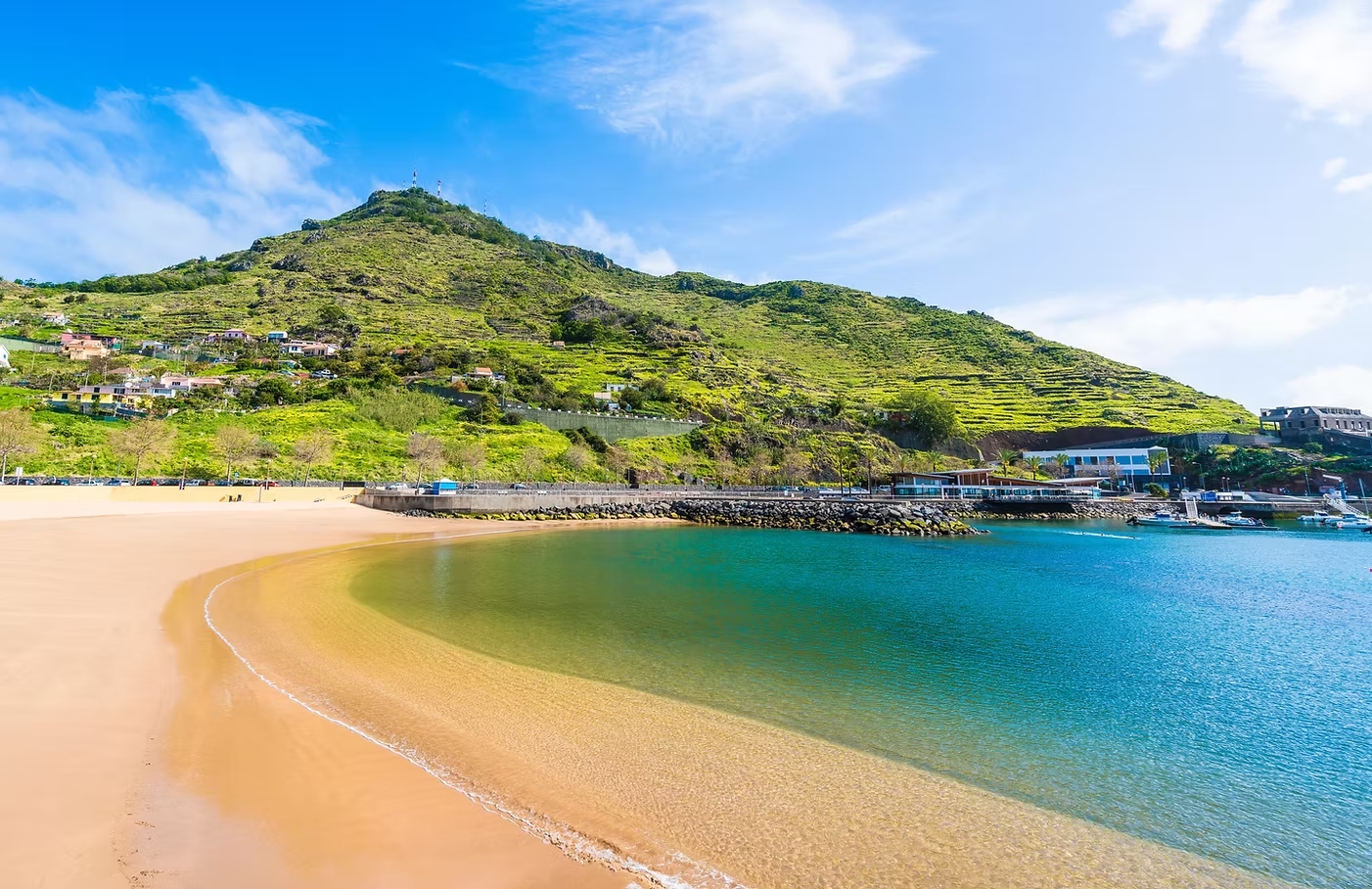
The name “Madeira” means “wood” in Portuguese, a reference to the dense laurel forests (laurissilva) that once covered the entire, then-uninhabited island. When the Portuguese officially began colonising Madeira around 1420, they settled first in the bay of Machico, which became the island’s earliest centre of population and agriculture. This moment is often seen as the starting point of the Portuguese overseas expansion and the broader Age of Exploration, with Madeira recognised as Portugal’s first permanent Atlantic colony.
Life for the first settlers was far from easy. To make space for crops and villages, they cleared vast areas of forest, often by setting controlled fires. Some of these fires burned out of control and, according to historical accounts, continued smouldering for years in the dense woodland and steep valleys. At the same time, the newcomers had to solve the problem of water distribution in such a mountainous landscape. This led to the creation of the first levadas – narrow irrigation channels carved into the hillsides to bring water from the wetter north and highlands down to the drier, cultivated terraces. Many of these early levadas, later extended and refined over centuries, still function today and now double as some of Madeira’s most famous walking paths.
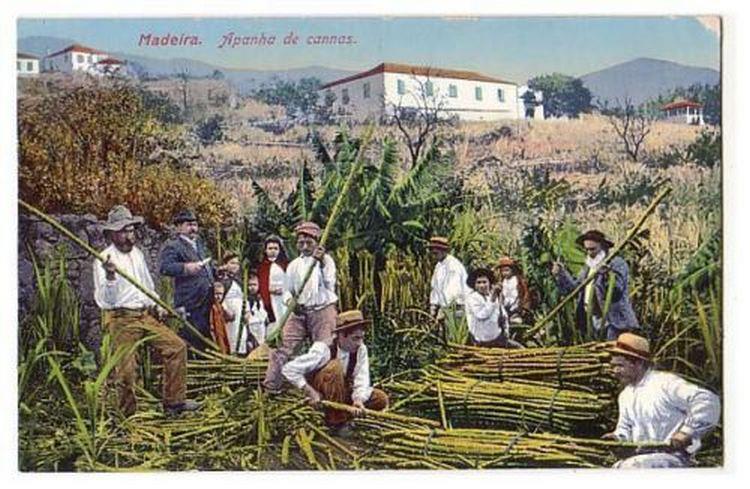
In the rich volcanic soils, settlers first planted wheat to feed the local population, but they quickly turned to more profitable crops. Sugarcane became the island’s “white gold”, turning the island into one of Europe’s leading sugar producers and bringing economic prosperity. This wealth attracted merchants, traders, and even Christopher Columbus, who landed in Madeira in 1478 and married the daughter of Porto Santo’s governor before his famous 1492 voyage.
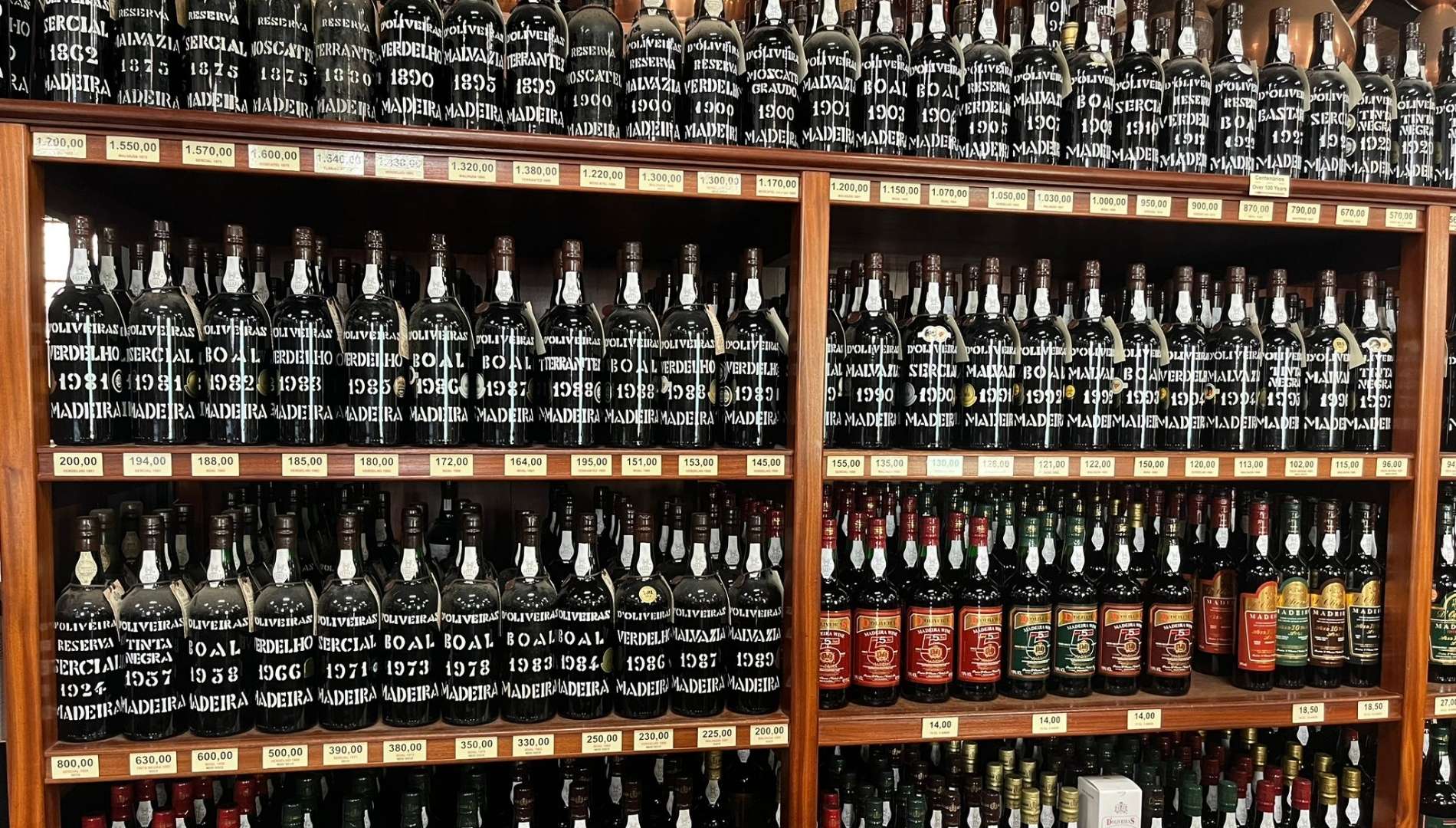
As sugar production moved to Brazilian colonies, Madeira pivoted to wine production. Madeira wine became world-famous through a happy accident: wine stored in ship holds during long voyages to the tropics developed a unique, improved flavor from heat and movement.
This led to the “torna viagem” tradition – intentionally aging wine on sea voyages to enhance taste. Eventually, winemakers recreated this process on land by heating wine in special rooms (a technique still used today).
Madeira wine became legendary: It was used to toast the signing of the U.S. Declaration of Independence in 1776. It was also the favorite of George Washington, Thomas Jefferson, Benjamin Franklin, and other Founding Fathers. It was prized in European royal courts throughout the 18th and 19th centuries
In 1976, after the end of Portugal’s authoritarian Estado Novo regime (1933–1974) led for decades by António de Oliveira Salazar, Madeira became an Autonomous Region of Portugal with its own regional government, while remaining part of the Portuguese Republic.
During the Estado Novo period, the island – like many peripheral regions of Portugal – faced widespread poverty, limited infrastructure, and few economic opportunities, which led to significant emigration to Venezuela, South Africa and northern Europe.
Since autonomy, Madeira has benefited from democratic governance, EU structural funds and improved connectivity, and today it thrives on tourism, wine, agriculture (especially bananas and exotic fruits), and its reputation as a year‑round destination for nature lovers, hikers and culture seekers.
Religion plays a central role in Madeiran culture, with many traditions rooted in Catholic celebrations.
Major religious traditions:
Christmas season: Begins 15 days before December 25 with “Missas do Parto” (labor masses) unique to Madeira, featuring traditional instruments like rajão, castanets, and drums; Midnight Mass on December 24/25; traditional “lapinhas” (nativity scenes) in homes and churches.
Easter: Families receive the “Holy Spirit visit” (Visita Pascal) – a procession with priest, attendants in red capes, singers, and a child carrying holy water.
Popular Saints (June): Celebrations honoring Saint Anthony, Saint John, and Saint Peter across the island.
Carnival (February/March)
One of the island’s most animated events, held 40 days before Easter, with colorful parades, masks, street parties, and music filling Funchal.
Festa da Flor – Flower Festival (late April/early May)
A visual feast celebrating spring with elaborate floral floats, parades, children’s “Wall of Hope” ceremony, flower carpets covering Funchal’s streets, and music performances.
Atlantic Festival (June)
Weekly Saturday fireworks and concerts along Funchal’s oceanfront throughout June – a spectacular start to summer.
Festa dos Fachos, Machico (late August)
Unique to Machico: torches and fire sculptures light the hills, commemorating the historic fire-signal system used to warn of pirate attacks centuries ago.
Madeira Wine Festival (August/September)
Celebrates the grape harvest with traditional music, wine tastings, folklore performances, and grape-treading demonstrations.
New Year’s Eve (December 31)
Funchal hosts one of the world’s largest fireworks displays (even holds a Guinness World Record), attracting thousands of visitors from around the globe.
You can find all events happening in Madeira all year round in the free, locally developed Madeira Unlocked app.
Madeiran cuisine reflects the island’s volcanic soil, Atlantic location, and centuries of maritime trade. Main specialties are:
Beef skewers on laurel sticks, grilled and seasoned with sea salt and garlic.
Photo Credits: Funchal Noticias.
Flatbread with garlic butter, traditionally baked on flat basalt stones.
Black scabbard fish fillet with fried banana and sometimes passion fruit sauce.
These small shellfish that cling to coastal rocks are one of the island’s classic seafood dishes. They’re cleaned, left in their shells and cooked on a hot pan or grill with garlic, butter, a little salt and sometimes parsley.
Pork marinated in wine, garlic, and spices. Specially served during the wintertime and in Christmas markets.
It is a small sweet prepared using cheese or requeijão, eggs, milk, and powdered sugar.
Honey cake made with molasses, spices, and nuts. Families gather together to prepare this Christmas staple.
Traditional alcoholic drink made with aguardente (sugarcane rum), honey, and citrus juice. A very strong cocktail that has already claimed many hangovers – you have been warned!
Aged for years, sometimes decades – older vintages are highly prized.
Perhaps the island’s most iconic craft, dating back to the 19th century. Madeira embroidery is internationally renowned for intricate handwork on linen and cotton – tablecloths, napkins, baby clothes, and decorative items. Each piece is entirely hand-stitched following traditional patterns passed down through generations.
Where to find authentic embroidery: IVBAM (Institute of Wine, Embroidery and Handicrafts of Madeira) in Funchal, Bordal shops, or Mercado dos Lavradores.
Traditional basketry and furniture made from willow canes, especially in Camacha (the wicker capital of Madeira). Wicker is harvested, peeled, dried, and boiled to achieve its characteristic brown color and flexibility. You’ll find baskets, chairs, tables, and even the famous wicker toboggans used in Monte for downhill rides.
Where to find wickerwork: Café Relógio in Camacha (workshop and huge showroom), artisan shops in Curral das Freiras, Santana, Câmara de Lobos.
Currency: Euro (€)
Language: Portuguese; English widely spoken in tourist areas
Getting around: A rental car is recommended for exploring, but there is a good bus network (SIGA) that connects the main towns. Taxis and Bolt/Uber are available. Please note that the maximum number of Bolt/Uber licences is capped by the government, making it sometimes difficult to find a driver.
What to pack:
Safety: Madeira is very safe; main concerns are slippery levada paths and sudden weather changes in the mountains.
Tipping: 5–10% in restaurants if service charge is not included; round up taxi fares
In conclusion, Madeira is a year-round destination where history, nature, and culture blend seamlessly – no matter when you visit, the island’s warmth (both in climate and hospitality) will make your trip unforgettable, and we’re hoping to see you there!